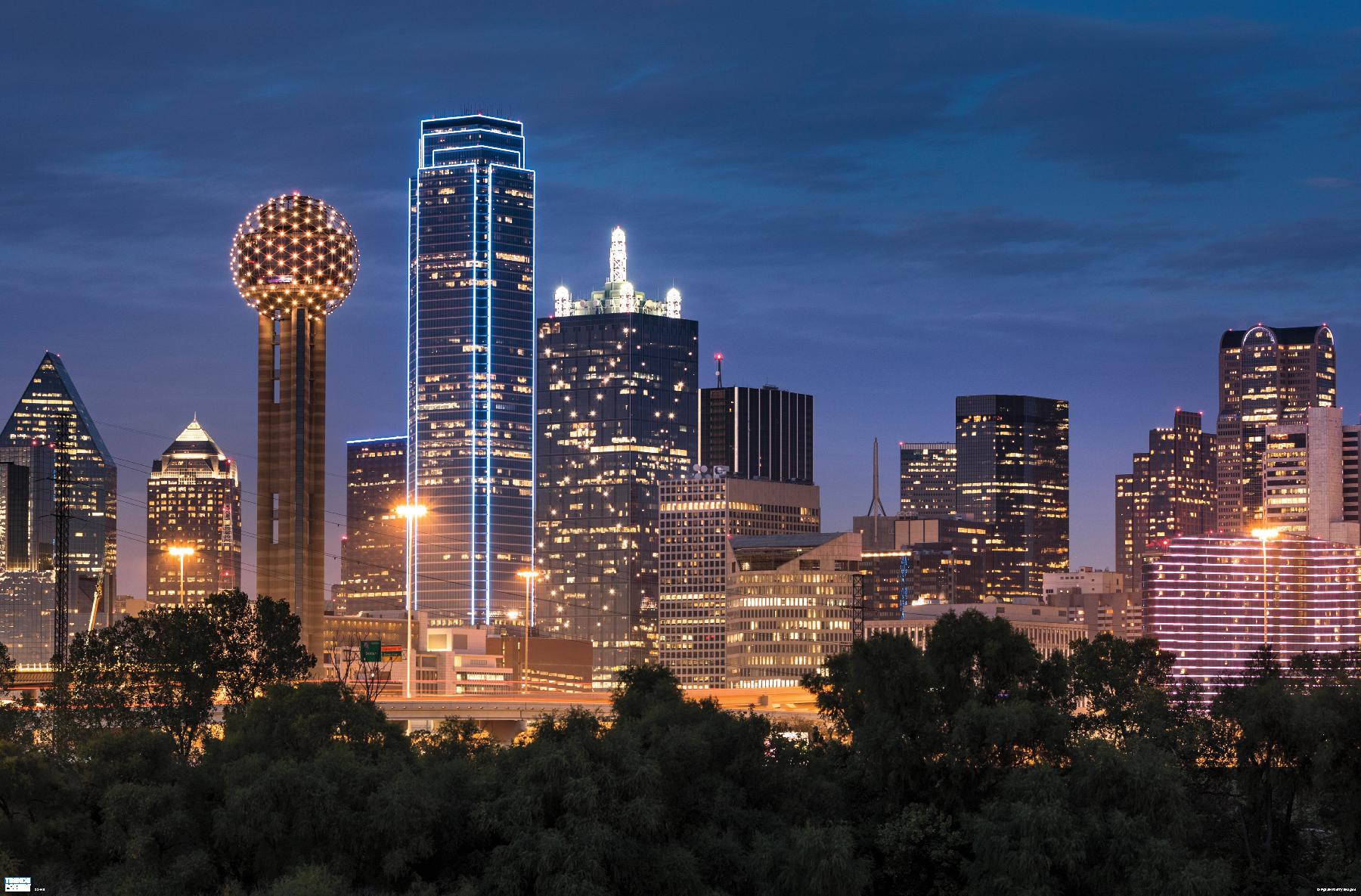
Key Considerations for Commercial Construction Projects in Dallas–Fort Worth
Key Considerations for Commercial Construction Projects in Dallas–Fort Worth
Key Considerations for Commercial Construction Projects in Dallas–Fort Worth

Mike Mourton
Mike Mourton
Managing Partner
Ashton Commercial Construction
Introduction
The Dallas–Fort Worth (DFW) metroplex continues to be one of the fastest-growing regions in the United States, creating significant opportunities for commercial development. From corporate relocations to retail expansion and industrial growth, the demand for new construction remains strong.
However, successful development in DFW requires more than simply identifying available land. Developers must navigate zoning regulations, permitting processes, market trends, and economic factors that can directly impact project timelines and costs. Understanding these elements early helps streamline the construction process and positions projects for long-term success.
Understanding Zoning Laws and Local Regulations
Zoning regulations vary widely across the cities that make up the DFW metroplex. These regulations govern land use, building height, density, parking requirements, and sometimes architectural guidelines.
Common zoning classifications include:
Residential Zoning
Residential areas are often divided into multiple categories such as single-family, multi-family, or mixed-density housing. Regulations typically address unit density, building height limits, setbacks, and lot sizes.
Commercial Zoning
Commercial zones support business activity such as retail, office space, and service providers. Requirements may include parking ratios, signage limitations, building height restrictions, and proximity requirements to nearby residential developments.
Industrial Zoning
Industrial districts are designated for manufacturing, warehousing, and distribution facilities. These areas often include regulations regarding noise, emissions, traffic flow, and operational impacts on surrounding areas.
Mixed-Use Zoning
Mixed-use developments allow for a blend of residential, retail, office, and entertainment uses within the same project. These developments are becoming increasingly popular across DFW growth corridors.
Special Zoning Districts
Some municipalities designate special districts such as historic preservation areas, redevelopment zones, or conservation districts. These areas may include additional design standards or development requirements.
Because each municipality in DFW maintains its own zoning ordinances, developers should work closely with local planning departments and experienced construction partners to ensure compliance early in the design process.
Local Construction Trends and Market Demand
Staying informed about regional development trends helps ensure projects align with tenant demand and long-term market viability.
Across the DFW area, several trends are shaping commercial construction:
Sustainable Building Practices
Developers are increasingly incorporating environmentally responsible building materials and energy-efficient systems.
Examples include:
Recycled and sustainable building materials
Energy-efficient insulation and windows
LED lighting systems
Solar and renewable energy integration
Energy-Efficient and Passive Design
Buildings are increasingly designed to reduce energy consumption through natural lighting, airflow optimization, and improved thermal performance.
LEED Certification
Many developers pursue Leadership in Energy and Environmental Design (LEED) certification to demonstrate sustainability commitments while improving long-term operating efficiency.
Net-Zero and High-Efficiency Buildings
Some projects are designed to generate as much energy as they consume through renewable energy and efficient building systems.
Incorporating these elements can improve tenant appeal, reduce operating costs, and position developments for future market expectations.
![Kay Bailey Hutchison Convention Center [Photo: Kay Bailey Hutchinson Convention Center Facebook Page]](https://framerusercontent.com/images/cMlFTg8DZTaZXnfXexURXbG8F6Q.png)
Navigating the Permitting Process
Obtaining construction permits across the DFW metroplex can be complex due to the number of municipalities and varying local requirements.
A typical permitting process includes several key stages:
Pre-Application Review
Developers often meet with city planning or building departments to review zoning requirements, development standards, and application procedures before submitting plans.
Application Submission
Detailed construction documents must be submitted, including architectural drawings, engineering plans, site layouts, and supporting documentation.
Plan Review
City departments such as zoning, fire safety, utilities, and building inspection review submitted plans to verify compliance with local codes and regulations.
Permit Issuance
Once all requirements are satisfied and approvals granted, the building permit is issued and construction can begin.
Construction Inspections
Throughout the building process, inspections are conducted at key stages including foundation, framing, electrical, plumbing, and life safety systems.
Certificate of Occupancy
After construction is completed and final inspections are passed, the city issues a Certificate of Occupancy confirming the building meets all safety and regulatory standards.
Permit timelines can vary widely depending on project size and municipal review processes, making early coordination critical.
Economic Drivers of Construction in DFW
Several economic factors continue to drive strong construction activity across the region.
Population Growth
DFW remains one of the fastest-growing metropolitan areas in the country. Population increases create sustained demand for housing, retail, healthcare, and commercial space.
Corporate Expansion and Relocation
Major companies continue to relocate headquarters and operations to North Texas due to its favorable business environment and central location.
Employment Growth
A strong job market supports demand for office space, industrial distribution centers, and supporting commercial services.
Infrastructure Investment
Ongoing investments in highways, utilities, and public infrastructure support continued development throughout the metroplex.
Financing and Interest Rates
Access to capital and borrowing conditions directly influence development activity and project feasibility.
Understanding these economic indicators helps developers make strategic decisions regarding site selection, project timing, and market positioning.
Choosing the Right Construction Partner
Given the complexity of the DFW development landscape, selecting the right construction partner can significantly impact a project's success.
A contractor with deep local experience can provide valuable insight into:
Municipal permitting processes
Local subcontractor networks
Cost-efficient construction strategies
Market trends and tenant expectations
Strong construction partners also play an important role in maintaining project schedules, controlling costs, and ensuring quality execution.
Community engagement can also be an important part of the development process. Projects that consider the needs and perspectives of surrounding neighborhoods often experience smoother approvals and stronger long-term community relationships.
Building with Ashton Commercial Construction
For nearly two decades, Ashton Commercial Construction has partnered with developers, owners, and investors across the Dallas–Fort Worth area to deliver high-quality commercial projects. Our team brings extensive regional experience, collaborative project management, and a deep understanding of the local development landscape.
As an active member of the communities we build in, Ashton Commercial Construction is committed to delivering projects that strengthen local economies while providing exceptional value to our clients.
Conclusion
Developing commercial projects in the Dallas–Fort Worth area presents tremendous opportunity, but success requires careful planning and local expertise. By understanding zoning regulations, permitting processes, construction trends, and economic drivers, developers can navigate the region’s complex development environment with confidence.
Working with an experienced construction partner can help streamline the process, minimize risk, and ensure projects are completed efficiently and successfully.
Introduction
The Dallas–Fort Worth (DFW) metroplex continues to be one of the fastest-growing regions in the United States, creating significant opportunities for commercial development. From corporate relocations to retail expansion and industrial growth, the demand for new construction remains strong.
However, successful development in DFW requires more than simply identifying available land. Developers must navigate zoning regulations, permitting processes, market trends, and economic factors that can directly impact project timelines and costs. Understanding these elements early helps streamline the construction process and positions projects for long-term success.
Understanding Zoning Laws and Local Regulations
Zoning regulations vary widely across the cities that make up the DFW metroplex. These regulations govern land use, building height, density, parking requirements, and sometimes architectural guidelines.
Common zoning classifications include:
Residential Zoning
Residential areas are often divided into multiple categories such as single-family, multi-family, or mixed-density housing. Regulations typically address unit density, building height limits, setbacks, and lot sizes.
Commercial Zoning
Commercial zones support business activity such as retail, office space, and service providers. Requirements may include parking ratios, signage limitations, building height restrictions, and proximity requirements to nearby residential developments.
Industrial Zoning
Industrial districts are designated for manufacturing, warehousing, and distribution facilities. These areas often include regulations regarding noise, emissions, traffic flow, and operational impacts on surrounding areas.
Mixed-Use Zoning
Mixed-use developments allow for a blend of residential, retail, office, and entertainment uses within the same project. These developments are becoming increasingly popular across DFW growth corridors.
Special Zoning Districts
Some municipalities designate special districts such as historic preservation areas, redevelopment zones, or conservation districts. These areas may include additional design standards or development requirements.
Because each municipality in DFW maintains its own zoning ordinances, developers should work closely with local planning departments and experienced construction partners to ensure compliance early in the design process.
Local Construction Trends and Market Demand
Staying informed about regional development trends helps ensure projects align with tenant demand and long-term market viability.
Across the DFW area, several trends are shaping commercial construction:
Sustainable Building Practices
Developers are increasingly incorporating environmentally responsible building materials and energy-efficient systems.
Examples include:
Recycled and sustainable building materials
Energy-efficient insulation and windows
LED lighting systems
Solar and renewable energy integration
Energy-Efficient and Passive Design
Buildings are increasingly designed to reduce energy consumption through natural lighting, airflow optimization, and improved thermal performance.
LEED Certification
Many developers pursue Leadership in Energy and Environmental Design (LEED) certification to demonstrate sustainability commitments while improving long-term operating efficiency.
Net-Zero and High-Efficiency Buildings
Some projects are designed to generate as much energy as they consume through renewable energy and efficient building systems.
Incorporating these elements can improve tenant appeal, reduce operating costs, and position developments for future market expectations.
Navigating the Permitting Process
Obtaining construction permits across the DFW metroplex can be complex due to the number of municipalities and varying local requirements.
A typical permitting process includes several key stages:
Pre-Application Review
Developers often meet with city planning or building departments to review zoning requirements, development standards, and application procedures before submitting plans.
Application Submission
Detailed construction documents must be submitted, including architectural drawings, engineering plans, site layouts, and supporting documentation.
Plan Review
City departments such as zoning, fire safety, utilities, and building inspection review submitted plans to verify compliance with local codes and regulations.
Permit Issuance
Once all requirements are satisfied and approvals granted, the building permit is issued and construction can begin.
Construction Inspections
Throughout the building process, inspections are conducted at key stages including foundation, framing, electrical, plumbing, and life safety systems.
Certificate of Occupancy
After construction is completed and final inspections are passed, the city issues a Certificate of Occupancy confirming the building meets all safety and regulatory standards.
Permit timelines can vary widely depending on project size and municipal review processes, making early coordination critical.
Economic Drivers of Construction in DFW
Several economic factors continue to drive strong construction activity across the region.
Population Growth
DFW remains one of the fastest-growing metropolitan areas in the country. Population increases create sustained demand for housing, retail, healthcare, and commercial space.
Corporate Expansion and Relocation
Major companies continue to relocate headquarters and operations to North Texas due to its favorable business environment and central location.
Employment Growth
A strong job market supports demand for office space, industrial distribution centers, and supporting commercial services.
Infrastructure Investment
Ongoing investments in highways, utilities, and public infrastructure support continued development throughout the metroplex.
Financing and Interest Rates
Access to capital and borrowing conditions directly influence development activity and project feasibility.
Understanding these economic indicators helps developers make strategic decisions regarding site selection, project timing, and market positioning.
Choosing the Right Construction Partner
Given the complexity of the DFW development landscape, selecting the right construction partner can significantly impact a project's success.
A contractor with deep local experience can provide valuable insight into:
Municipal permitting processes
Local subcontractor networks
Cost-efficient construction strategies
Market trends and tenant expectations
Strong construction partners also play an important role in maintaining project schedules, controlling costs, and ensuring quality execution.
Community engagement can also be an important part of the development process. Projects that consider the needs and perspectives of surrounding neighborhoods often experience smoother approvals and stronger long-term community relationships.
Building with Ashton Commercial Construction
For nearly two decades, Ashton Commercial Construction has partnered with developers, owners, and investors across the Dallas–Fort Worth area to deliver high-quality commercial projects. Our team brings extensive regional experience, collaborative project management, and a deep understanding of the local development landscape.
As an active member of the communities we build in, Ashton Commercial Construction is committed to delivering projects that strengthen local economies while providing exceptional value to our clients.
Conclusion
Developing commercial projects in the Dallas–Fort Worth area presents tremendous opportunity, but success requires careful planning and local expertise. By understanding zoning regulations, permitting processes, construction trends, and economic drivers, developers can navigate the region’s complex development environment with confidence.
Working with an experienced construction partner can help streamline the process, minimize risk, and ensure projects are completed efficiently and successfully.
latest
Discover More Articles Here
Discover More Articles Here
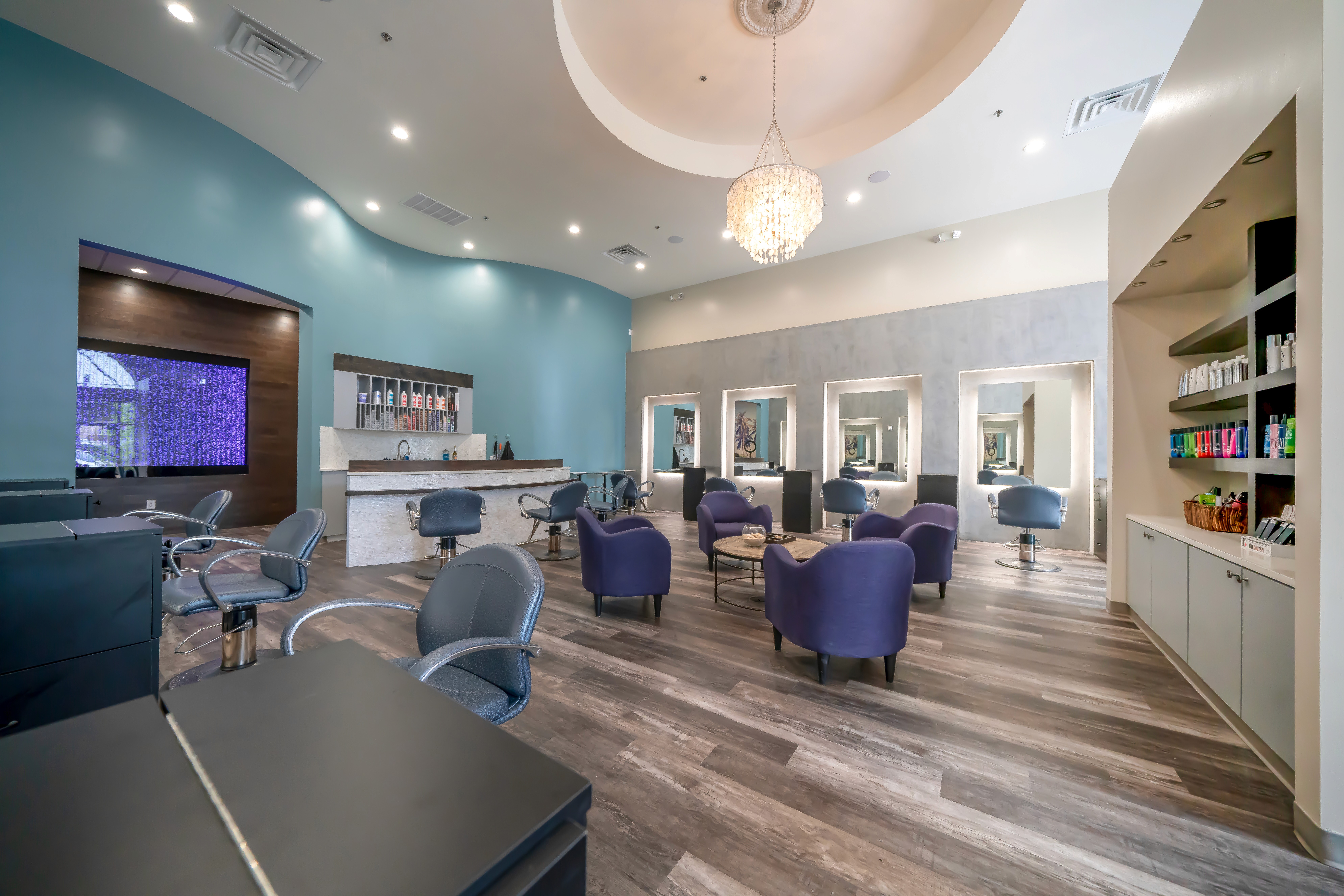
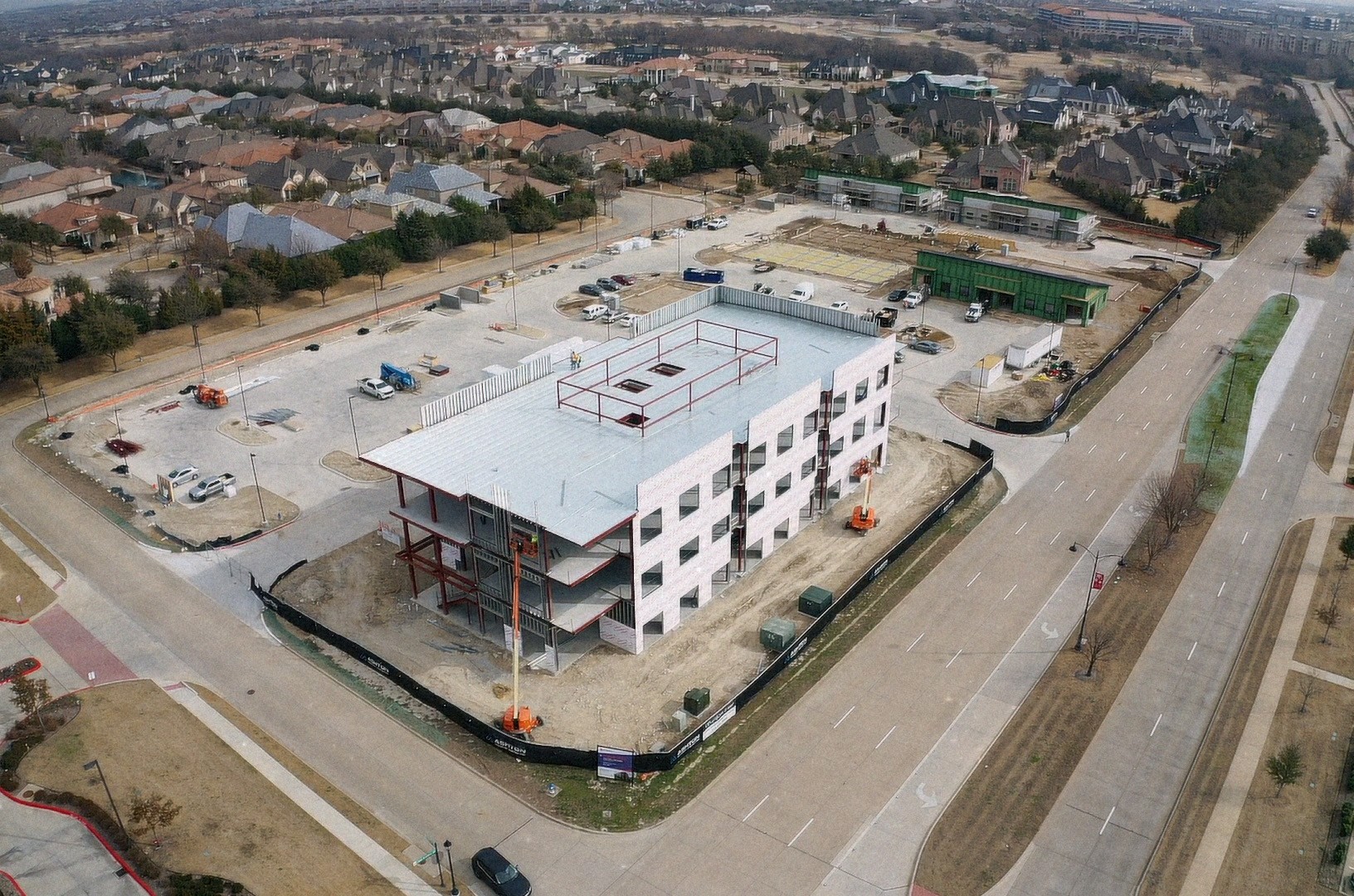
How Craig Ranch Turned a Ghost Kitchen Battle Into a Commercial Success Story
Mar 18, 2026

Kara Jackson
A community pushback, a developer willing to listen, and a 92% lease-up later — Piper Glen shows what happens when collaboration wins.
Read More

CREW Dallas Partner 2025
Oct 27, 2025
Kara Jackson
Proud to partner with CREW Dallas as a sponsor of the 2025 CREW Dallas Golf Tournament. Looking forward to a great day supporting an organization that continues to empower and connect women in commercial real estate.
Read More

Ashton Commercial Construction Wins Best General Contractor 2025
Mar 18, 2026
Kara Jackson
Ashton Commercial Construction is honored to be recognized as Best Contractor in McKinney for two consecutive years.
Read More
How Craig Ranch Turned a Ghost Kitchen Battle Into a Commercial Success Story
Mar 18, 2026
Kara Jackson
A community pushback, a developer willing to listen, and a 92% lease-up later — Piper Glen shows what happens when collaboration wins.
Read More
CREW Dallas Partner 2025
Oct 27, 2025
Kara Jackson
Proud to partner with CREW Dallas as a sponsor of the 2025 CREW Dallas Golf Tournament. Looking forward to a great day supporting an organization that continues to empower and connect women in commercial real estate.
Read More
Ashton Commercial Construction Wins Best General Contractor 2025
Mar 18, 2026
Kara Jackson
Ashton Commercial Construction is honored to be recognized as Best Contractor in McKinney for two consecutive years.
Read More
The Benefits of the Design-Build Approach for Commercial Construction in Dallas–Fort Worth
Jul 1, 2025
Mike Mourton
Learn about the benefits of the design-build approach in commercial construction, particularly in the DFW area, and how it can lead to more efficient, cost-effective, and innovative project outcomes.
Read More