The Benefits of the Design-Build Approach for Commercial Construction in Dallas–Fort Worth
The Benefits of the Design-Build Approach for Commercial Construction in Dallas–Fort Worth
The Benefits of the Design-Build Approach for Commercial Construction in Dallas–Fort Worth

Mike Mourton
Mike Mourton
Managing Partner
Ashton Commercial Construction
Introduction
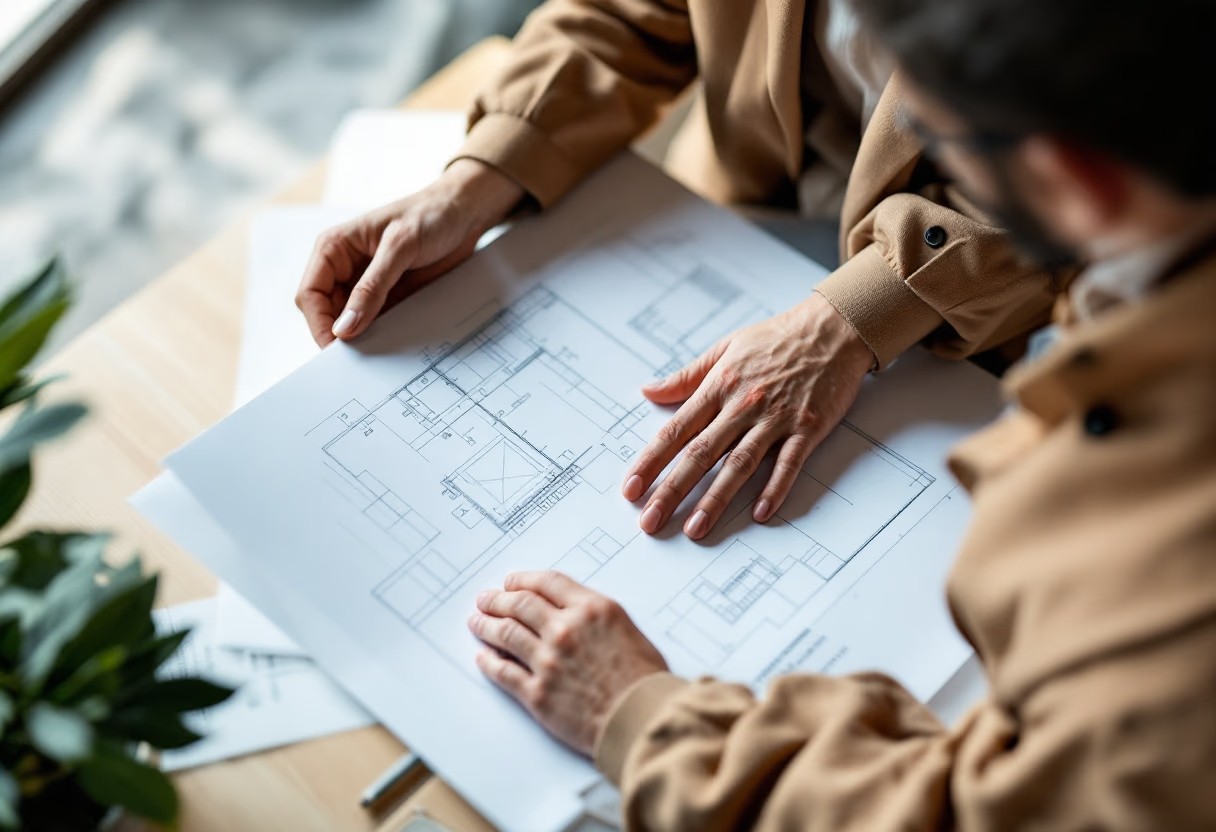
As development continues to accelerate across the Dallas–Fort Worth (DFW) metroplex, project delivery methods are evolving to meet the demand for faster timelines, greater efficiency, and improved cost control. One approach gaining significant traction among developers is the design-build model.
Unlike traditional construction delivery methods, design-build integrates both the design and construction process under a single team. This collaborative approach allows projects to move forward more efficiently while reducing risk and improving communication throughout the project lifecycle.
For developers in DFW’s competitive construction market, design-build offers a streamlined path to delivering successful commercial projects.
Understanding the Design-Build Approach
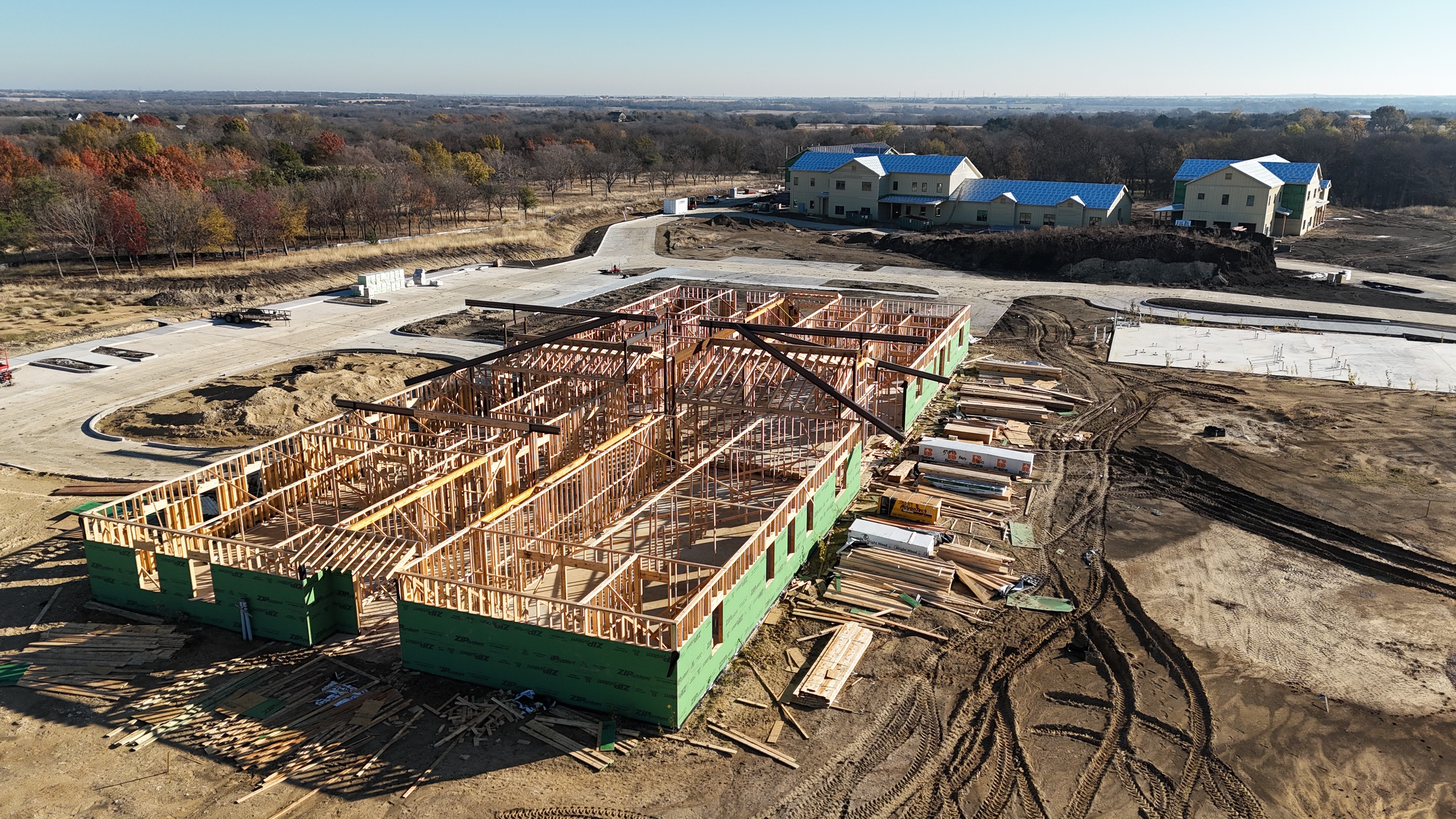
The design-build approach is a project delivery method where a single entity — the design-builder — is responsible for both the design and construction phases of a project.
This differs from the traditional design-bid-build model, where:
An architect designs the project
Contractors bid on the completed plans
Construction begins after the design phase is fully completed
In a design-build structure, architects, engineers, and construction professionals collaborate from the very beginning. This early collaboration allows teams to identify potential challenges, align project goals, and develop solutions before construction begins.
The result is typically:
Faster project delivery
Improved budget control
Clearer communication
Reduced risk for developers
With a single point of responsibility, clients also benefit from simplified project management and fewer contractual complexities.
How the Design-Build Process Works
While each project is unique, design-build projects typically move through several key phases.
Project Inception
The process begins with identifying the client’s goals, project vision, and operational needs. Discussions focus on the project scope, budget expectations, timeline, and overall development objectives.
Selecting the Design-Build Team
Developers select a design-build partner based on experience, qualifications, and their ability to understand the project vision. In many cases, this team includes a construction firm collaborating closely with architects and engineering consultants.
Preliminary Design and Feasibility
Once selected, the design-build team begins developing initial concepts that align with the project's goals and budget. This phase often includes site analysis, zoning review, and feasibility assessments to confirm the project’s viability.
Design Development
Concept designs are refined into detailed plans. Because construction expertise is involved early, the team can evaluate materials, construction methods, and scheduling considerations while the design is still evolving.
This ensures the project remains constructible and within budget before final plans are completed.
Pre-Construction Planning
During this phase, the team begins preparing the construction strategy, including scheduling, procurement planning, cost estimating, and risk management.
Early contractor involvement allows developers to receive real-time cost feedback and value engineering options before construction begins.
Final Design and Construction Documentation
The design is finalized and detailed construction documents are prepared, providing the blueprint for construction execution.
Construction
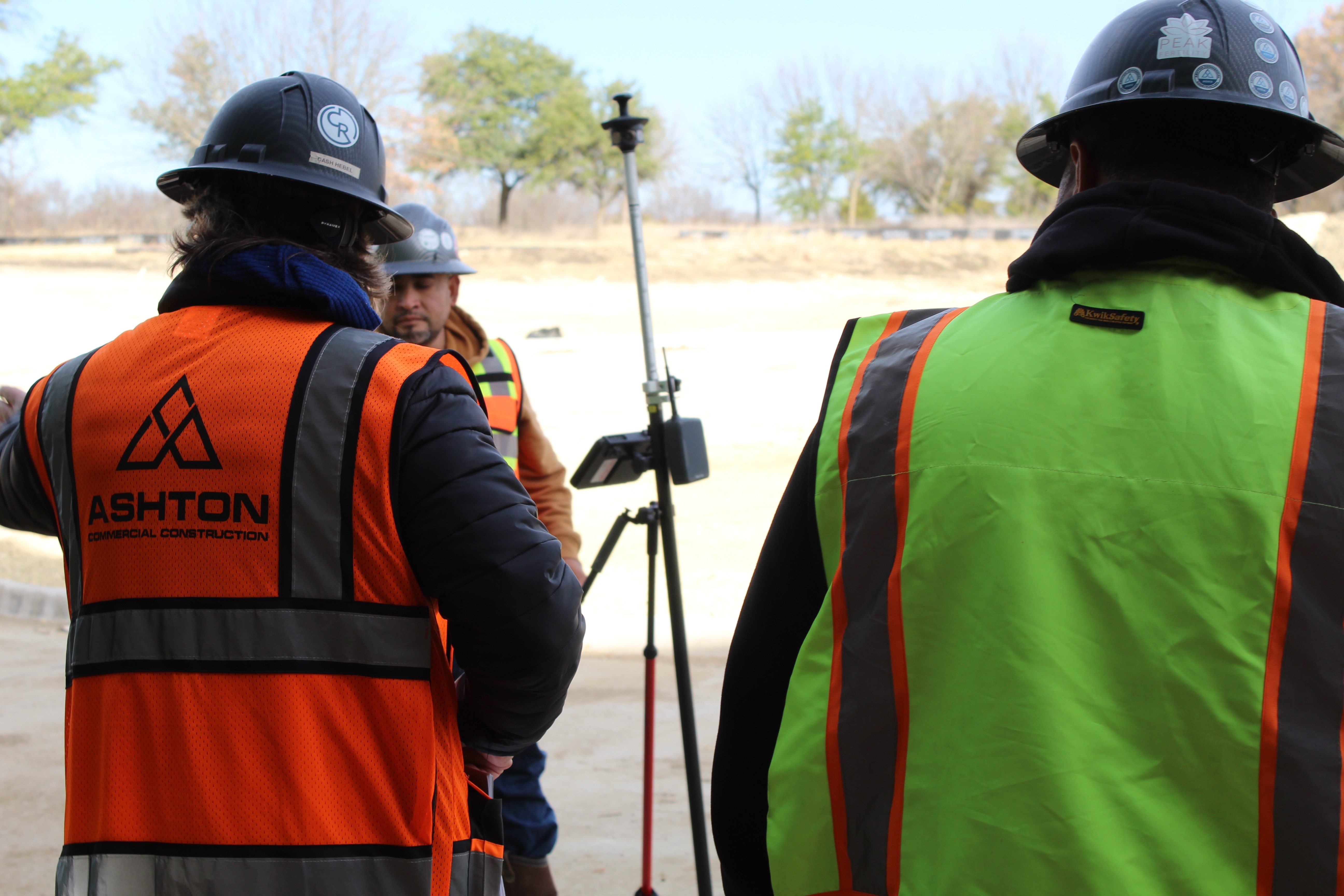
Once final plans are complete and permits are secured, construction begins. Because the design and construction teams have already collaborated extensively, this phase typically progresses more efficiently than traditional delivery models.
Why Developers Choose the Design-Build Approach
Efficiency and Faster Project Delivery
One of the most significant advantages of design-build is speed. Because design and construction phases can overlap, projects often move from concept to completion faster than traditional delivery methods.
This accelerated timeline allows developers to bring projects to market sooner.
Improved Cost Control
With the contractor involved early in the design process, project budgets are continuously evaluated and adjusted. This proactive approach helps prevent costly design changes later in the process.
Developers benefit from greater transparency and fewer budget surprises.
Stronger Collaboration
Design-build creates a collaborative environment where architects, engineers, and builders work together from day one.
This alignment encourages:
More efficient communication
Faster problem solving
More cohesive project planning
Reduced Risk
With one team responsible for both design and construction, accountability is clear. This simplifies project management and reduces the potential for disputes between separate design and construction teams.
Flexibility and Innovation
Because the entire team collaborates from the start, developers often have greater flexibility to explore creative design solutions, innovative materials, and efficient construction strategies.
This integrated approach often leads to smarter, more customized project outcomes.
Design-Build in the DFW Development Landscape
In a rapidly growing market like Dallas–Fort Worth, developers are under increasing pressure to deliver projects efficiently while maintaining quality and cost control.
The design-build model helps address these challenges by streamlining the development process and aligning all project stakeholders around a shared goal.
Many developers across the region are increasingly turning to this approach to deliver retail, office, hospitality, healthcare, and mixed-use developments.
Conclusion
For developers building in the Dallas–Fort Worth area, the design-build approach offers a more efficient and collaborative path to project delivery.
By integrating design and construction under one team, projects benefit from improved communication, stronger cost control, faster timelines, and greater flexibility throughout the development process.
As commercial development across North Texas continues to expand, design-build has become a valuable strategy for delivering successful, high-quality projects.
Introduction
As development continues to accelerate across the Dallas–Fort Worth (DFW) metroplex, project delivery methods are evolving to meet the demand for faster timelines, greater efficiency, and improved cost control. One approach gaining significant traction among developers is the design-build model.
Unlike traditional construction delivery methods, design-build integrates both the design and construction process under a single team. This collaborative approach allows projects to move forward more efficiently while reducing risk and improving communication throughout the project lifecycle.
For developers in DFW’s competitive construction market, design-build offers a streamlined path to delivering successful commercial projects.
Understanding the Design-Build Approach
The design-build approach is a project delivery method where a single entity — the design-builder — is responsible for both the design and construction phases of a project.
This differs from the traditional design-bid-build model, where:
An architect designs the project
Contractors bid on the completed plans
Construction begins after the design phase is fully completed
In a design-build structure, architects, engineers, and construction professionals collaborate from the very beginning. This early collaboration allows teams to identify potential challenges, align project goals, and develop solutions before construction begins.
The result is typically:
Faster project delivery
Improved budget control
Clearer communication
Reduced risk for developers
With a single point of responsibility, clients also benefit from simplified project management and fewer contractual complexities.
How the Design-Build Process Works
While each project is unique, design-build projects typically move through several key phases.
Project Inception
The process begins with identifying the client’s goals, project vision, and operational needs. Discussions focus on the project scope, budget expectations, timeline, and overall development objectives.
Selecting the Design-Build Team
Developers select a design-build partner based on experience, qualifications, and their ability to understand the project vision. In many cases, this team includes a construction firm collaborating closely with architects and engineering consultants.
Preliminary Design and Feasibility
Once selected, the design-build team begins developing initial concepts that align with the project's goals and budget. This phase often includes site analysis, zoning review, and feasibility assessments to confirm the project’s viability.
Design Development
Concept designs are refined into detailed plans. Because construction expertise is involved early, the team can evaluate materials, construction methods, and scheduling considerations while the design is still evolving.
This ensures the project remains constructible and within budget before final plans are completed.
Pre-Construction Planning
During this phase, the team begins preparing the construction strategy, including scheduling, procurement planning, cost estimating, and risk management.
Early contractor involvement allows developers to receive real-time cost feedback and value engineering options before construction begins.
Final Design and Construction Documentation
The design is finalized and detailed construction documents are prepared, providing the blueprint for construction execution.
Construction
Once final plans are complete and permits are secured, construction begins. Because the design and construction teams have already collaborated extensively, this phase typically progresses more efficiently than traditional delivery models.
Why Developers Choose the Design-Build Approach
Efficiency and Faster Project Delivery
One of the most significant advantages of design-build is speed. Because design and construction phases can overlap, projects often move from concept to completion faster than traditional delivery methods.
This accelerated timeline allows developers to bring projects to market sooner.
Improved Cost Control
With the contractor involved early in the design process, project budgets are continuously evaluated and adjusted. This proactive approach helps prevent costly design changes later in the process.
Developers benefit from greater transparency and fewer budget surprises.
Stronger Collaboration
Design-build creates a collaborative environment where architects, engineers, and builders work together from day one.
This alignment encourages:
More efficient communication
Faster problem solving
More cohesive project planning
Reduced Risk
With one team responsible for both design and construction, accountability is clear. This simplifies project management and reduces the potential for disputes between separate design and construction teams.
Flexibility and Innovation
Because the entire team collaborates from the start, developers often have greater flexibility to explore creative design solutions, innovative materials, and efficient construction strategies.
This integrated approach often leads to smarter, more customized project outcomes.
Design-Build in the DFW Development Landscape
In a rapidly growing market like Dallas–Fort Worth, developers are under increasing pressure to deliver projects efficiently while maintaining quality and cost control.
The design-build model helps address these challenges by streamlining the development process and aligning all project stakeholders around a shared goal.
Many developers across the region are increasingly turning to this approach to deliver retail, office, hospitality, healthcare, and mixed-use developments.
Conclusion
For developers building in the Dallas–Fort Worth area, the design-build approach offers a more efficient and collaborative path to project delivery.
By integrating design and construction under one team, projects benefit from improved communication, stronger cost control, faster timelines, and greater flexibility throughout the development process.
As commercial development across North Texas continues to expand, design-build has become a valuable strategy for delivering successful, high-quality projects.
latest
Discover More Articles Here
Discover More Articles Here
How Craig Ranch Turned a Ghost Kitchen Battle Into a Commercial Success Story
Mar 18, 2026

Kara Jackson
A community pushback, a developer willing to listen, and a 92% lease-up later — Piper Glen shows what happens when collaboration wins.
Read More

CREW Dallas Partner 2025
Oct 27, 2025
Kara Jackson
Proud to partner with CREW Dallas as a sponsor of the 2025 CREW Dallas Golf Tournament. Looking forward to a great day supporting an organization that continues to empower and connect women in commercial real estate.
Read More

Ashton Commercial Construction Wins Best General Contractor 2025
Mar 18, 2026
Kara Jackson
Ashton Commercial Construction is honored to be recognized as Best Contractor in McKinney for two consecutive years.
Read More
How Craig Ranch Turned a Ghost Kitchen Battle Into a Commercial Success Story
Mar 18, 2026
Kara Jackson
A community pushback, a developer willing to listen, and a 92% lease-up later — Piper Glen shows what happens when collaboration wins.
Read More
CREW Dallas Partner 2025
Oct 27, 2025
Kara Jackson
Proud to partner with CREW Dallas as a sponsor of the 2025 CREW Dallas Golf Tournament. Looking forward to a great day supporting an organization that continues to empower and connect women in commercial real estate.
Read More
Ashton Commercial Construction Wins Best General Contractor 2025
Mar 18, 2026
Kara Jackson
Ashton Commercial Construction is honored to be recognized as Best Contractor in McKinney for two consecutive years.
Read More

Key Considerations for Commercial Construction Projects in Dallas–Fort Worth
Jan 13, 2026
Mike Mourton
Explore the unique aspects of commercial construction in Dallas-Fort Worth, including zoning laws, local trends, and key considerations for developers embarking on major projects in the region.
Read More